AJONESHOUSE
Work / The Blair Witch Project
Foundational work / 1999

The Blair Witch Project

Viral before the social media era. A tiny independent film became a global phenomenon—and helped change movie marketing forever.

Senior Vice President, Theatrical Marketing — Artisan Entertainment
A defining viral campaign / One of cinema’s most extraordinary returns on production cost
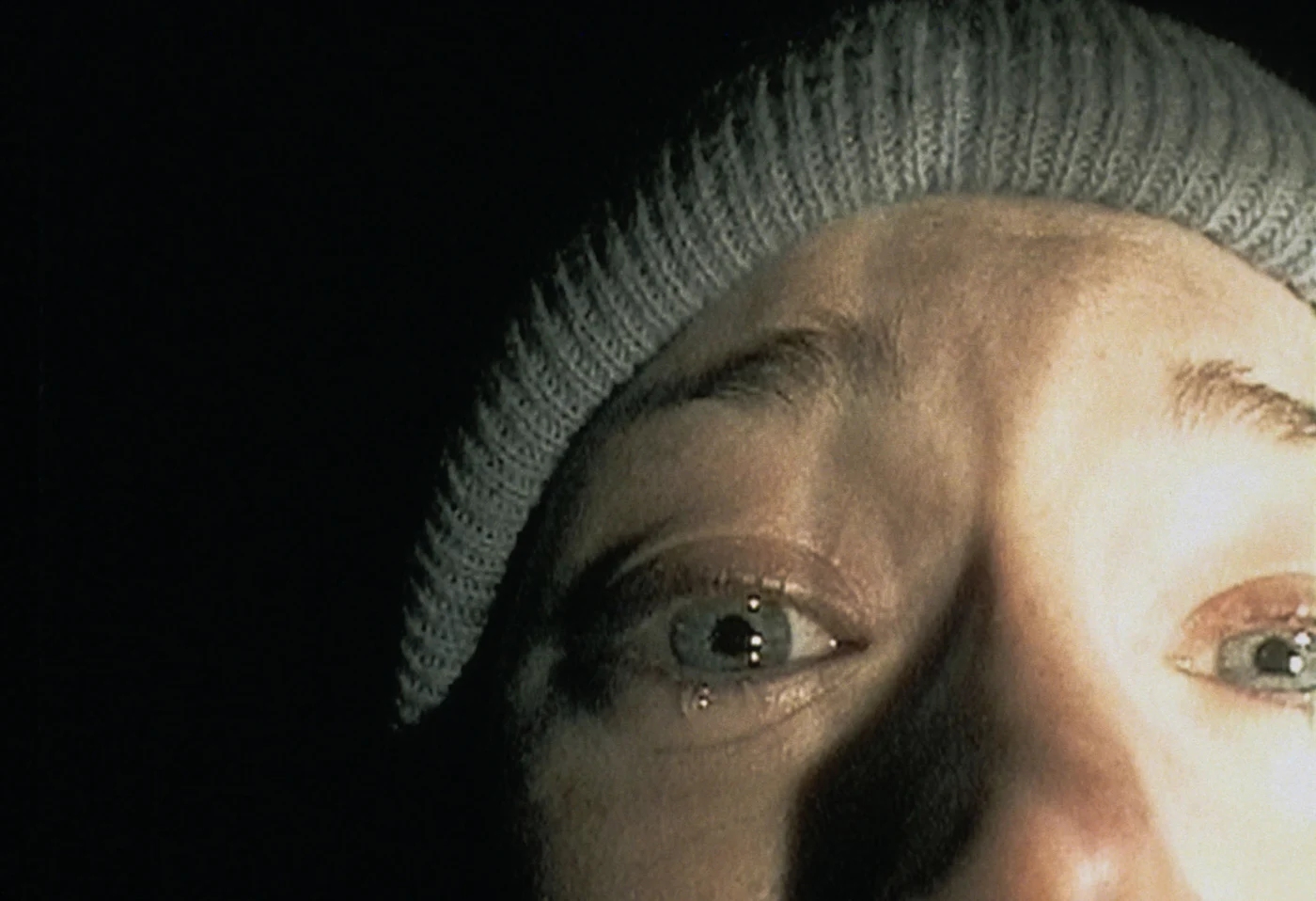
Heather Donahue’s iconic tearful close-up from the original 1999 Blair Witch Project, via Academy Museum.

The Blair Witch Project (1999). Film still via Academy Museum.

A decision that shaped the work

Let audience response inform the release.

Internet storytelling and grassroots participation made discovery part of the experience. The release then widened as audience response built. Contemporary reporting connects that expansion to demand—a lasting example of audience strategy and release judgment working together.

Foundational work / Artisan campaign team
The challenge

Make a small independent film feel like something people had to discover for themselves. The opportunity was larger than the media budget: turn curiosity into participation, and participation into demand.

The strategy

Give the audience a world to investigate and a story to pass on. Connect the internet, documentary-style material and street-level discovery so every encounter deepens the need to know more.

The campaign

Foundational experience from Artisan’s theatrical marketing leadership, shaping and executing the campaign within the wider release team. Street teams and community encounters worked alongside online storytelling, publicity and theatrical materials. The work made participation a source of audience demand.

The result

The first wide-release film marketed primarily through the internet became a defining example of viral movie marketing. Blair was one of the most profitable films ever made when measured against its reported production cost. Audience curiosity and participation helped turn a tiny independent film into a worldwide cultural phenomenon. Opening response led Artisan to expand a planned 300-theater rollout to almost 1,000; contemporary reporting described how demand beyond the expected audience changed the release opportunity. Stanford Graduate School of Business made the campaign a viral-marketing case study. In 2024, the original campaign leadership introduced the film at an Academy Museum screening selected by its Marketing and Public Relations Branch. The principle still drives the work: connect directly, invite participation and let the audience help carry the story further.

Discuss a related challenge
Contemporary reporting + lasting relevance

The decisions behind
the phenomenon.

Original reporting identifies the campaign team and explains the work. The dates connect the historical campaign to its continuing significance.

August 11, 1999
LA Weekly

Music culture meets film discovery.

Contemporary reporting connects music-industry experience with street teams, community exchange and audience loyalty. A direct connection becomes something people want to carry further.

Read the campaign story (opens in a new tab)
July 26, 1999
San Francisco Chronicle / SFGate

Demand changes the release.

Contemporary reporting explains how opening response expanded the planned rollout from 300 theaters to almost 1,000. Results in Orange County and Phoenix demonstrated appeal beyond the expected independent-film audience.

Read the release story (opens in a new tab)
Marketing case study
Stanford Graduate School of Business

A defining example of viral marketing.

Stanford examines how a low-budget film became a major commercial success through a campaign that made audience participation central to discovery.

Explore the marketing case study (opens in a new tab)
July 24, 2024
Academy Museum

A campaign still worth examining.

The Marketing and Public Relations Branch selected the film for a screening introduced by its original campaign leadership, 25 years after its release.

See the Academy program (opens in a new tab)
Start with the audience problem.

Let’s talk about the audience you don’t have yet.

Bring us a project, a release or a challenge. We’ll start with what needs to move.

Start a conversation